GeneralWhich CRA Role Are You? A Field Guide
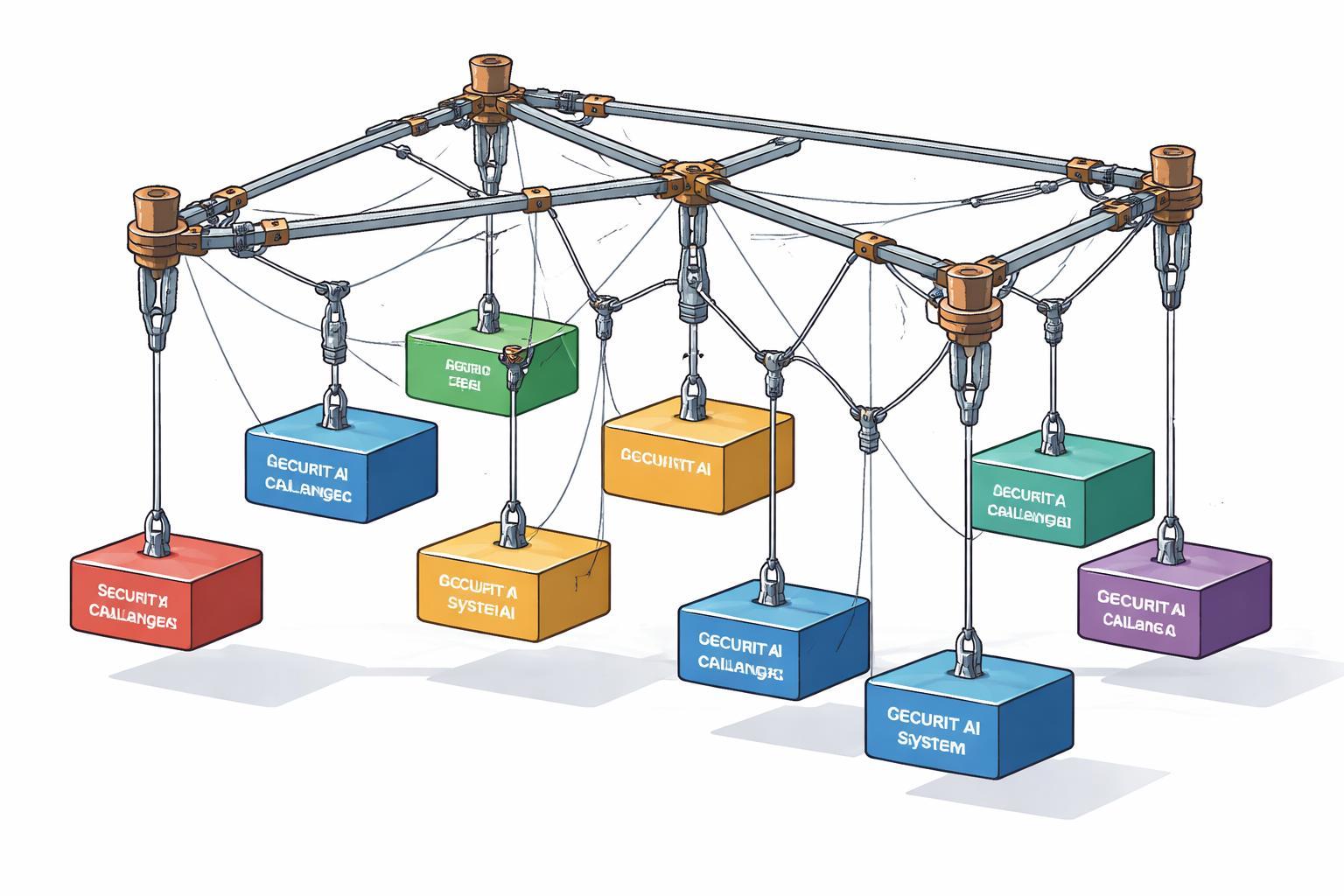
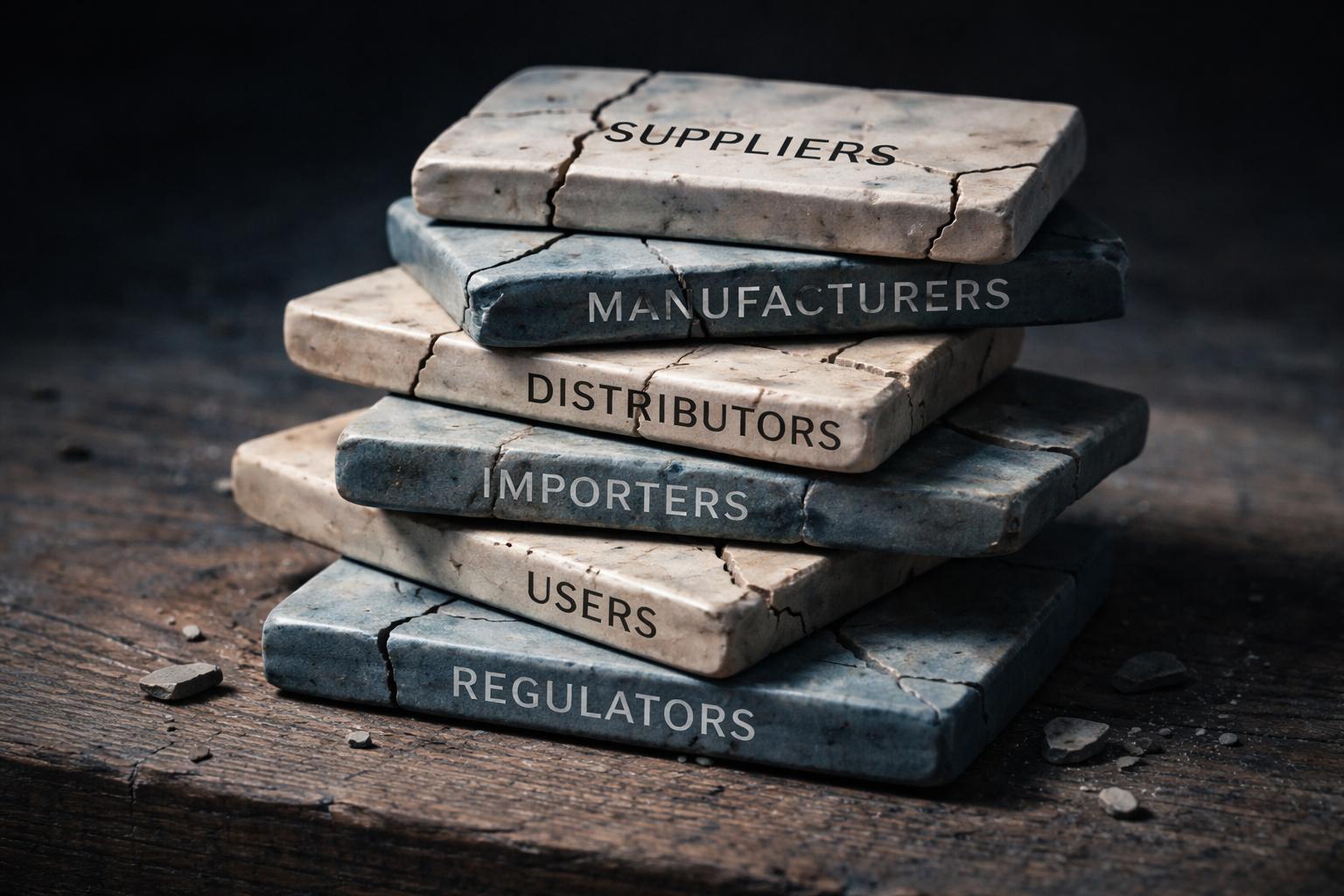
The EU Cyber Resilience Act s first major deadline is September 11, 2026. If you re reading this in mid-2024 or later, you ve got about 24 months to figure out where your organization fits in the comp
Expert perspectives on application security, compliance, and emerging threats
GeneralThe EU Cyber Resilience Act s first major deadline is September 11, 2026. If you re reading this in mid-2024 or later, you ve got about 24 months to figure out where your organization fits in the comp
GeneralYou ve probably heard the warnings about AI assistants. They re going to expose your secrets, they re basically malware, and they need enterprise-grade isolation from day one. Some of these concerns h
GeneralThe Shift to Production-Ready AI Agentic AI systems are transitioning from proof-of-concept to production, yet many organizations lack the infrastructure to test these systems before they impact real
GeneralScope This guide addresses the workflow friction between automated Dynamic Application Security Testing (DAST) tools and manual penetration testing. If you re running DAST scans but your pentesters st
Get weekly security insights and compliance updates delivered to your inbox.
GeneralYour team runs Gitleaks. You ve got pre-commit hooks. You scan every PR. So you re protected from credential leaks, right? Not exactly. The arrival of Betterleaks, a next-generation fork of Gitleaks d
GeneralThe conventional wisdom : Organizations should adopt AI pentesting tools to replace manual security testing because automation is faster, more comprehensive, and catches vulnerabilities that humans mi
GeneralYour engineering team is shipping features with AI models they found on Hugging Face. Your data science group is testing LLMs through third-party APIs. Your support team just integrated a chatbot some
GeneralThe OpenSSF Tech Talk on March 17, 2026, at 1:00 PM ET marks a significant shift in classifying AI security vulnerabilities. Angela McNeal will discuss agent autonomy and context integrity as new secu
GeneralScope: What This Guide Covers This guide helps you allocate tasks between AI coding agents and human developers. If you re integrating AI coding tools into your development workflow, you need a system
GeneralYou ve probably heard the pitch: replace your error-prone human developers with AI agents, and watch your delivery problems disappear. No more miscommunication, no more merge conflicts, no more late-n
GeneralThe conventional wisdom : Your existing threat modeling framework will work fine for AI systems. Just add LLM-specific threats to your STRIDE analysis, update your data flow diagrams, and you re cover
GeneralYou ve probably invested in prompt injection defenses, model guardrails, and access controls for your AI deployments. Your security checklist looks solid. But here s what most teams miss: the gap betw
GeneralScope This guide covers implementing active traceability systems in software supply chains, focusing on the security and governance challenges introduced by AI-assisted development. You ll find requir
GeneralScope This guide focuses on identity-based security controls for AI agents that autonomously execute code, move data, and provision infrastructure. You ll learn how to implement lifecycle governance f
GeneralChainguard just released OS Packages, and the timing matters. While your team patches CVE manually, AI-generated code is shipping faster than your security reviews can keep up. The gap between develop
GeneralThe Conventional Wisdom Security teams are rushing to implement tamper-evident logging for AI agents. The logic seems sound: hash-chained logs prevent modification, cryptographic signatures prove auth