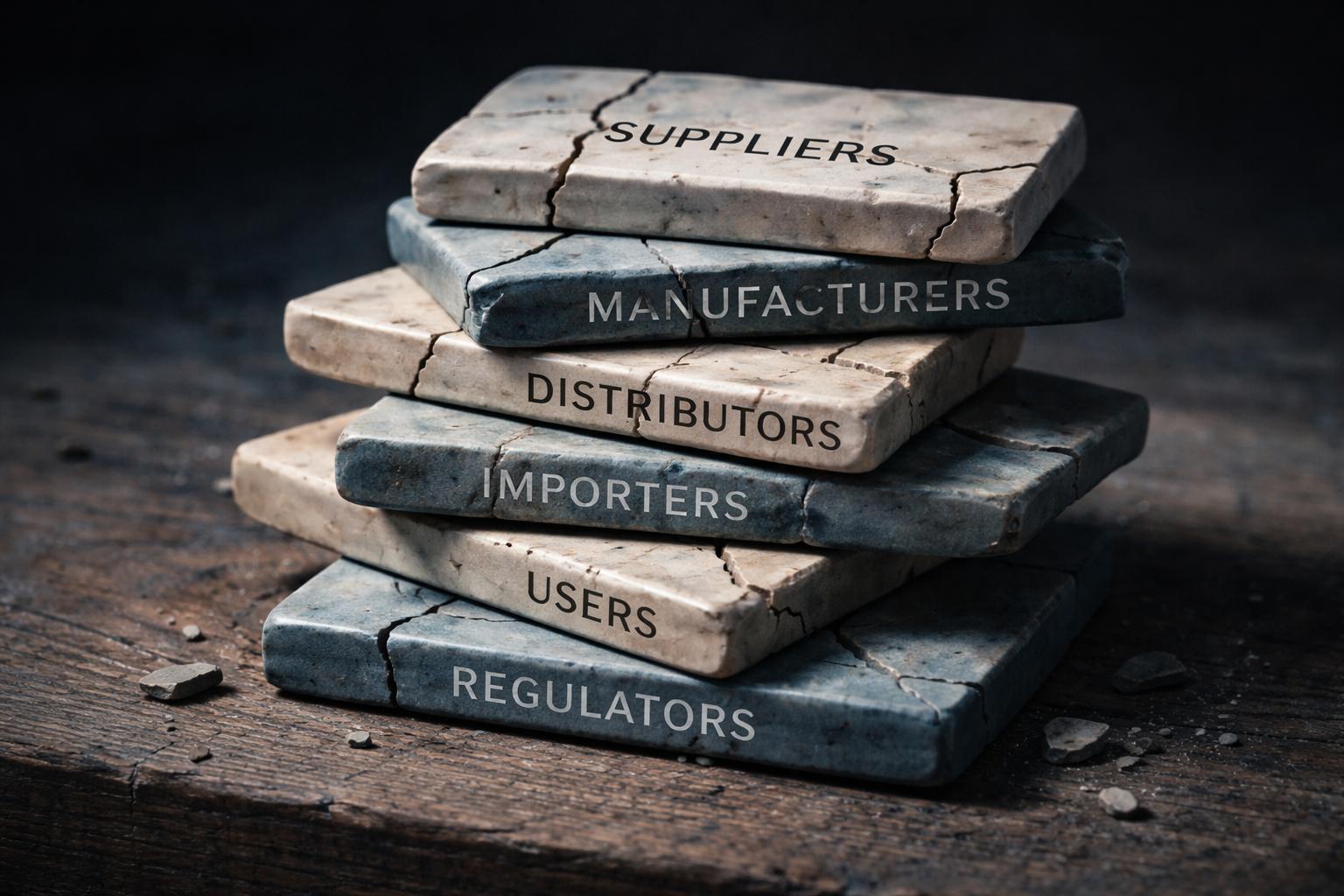
The assumption that you can secure AI in your applications just like open-source libraries—by scanning for vulnerabilities, checking licenses, and updating as needed—is dangerously incomplete.
Why Traditional Dependency Management Fails for AI
AI components don't behave like traditional dependencies. When you import a JavaScript library, its functions are documented and its behavior is predictable. You can test it, patch vulnerabilities, and track it in your SBOM. However, AI components defy these assumptions. They are non-deterministic, relying on training data you often can't inspect, and they make unpredictable decisions. Alarmingly, AI-generated code produces 1.7 times more vulnerabilities than human-written code.
Traditional AppSec tools aren't equipped for this. They track known packages and versions but can't inventory a model fine-tuned recently, an AI service accessed via API, or code generated by an LLM. Over 75% of organizations have faced a software supply chain attack in the past year. Can you quantify the AI components in your production environment? If not, you have a visibility problem that traditional scanning can't solve.
Regulatory Landscape: The Evidence is Clear
The EU AI Act is now law, classifying AI systems by risk and mandating governance requirements. If you deploy AI and serve EU customers, you're already affected. The NIST AI RMF provides a framework for managing AI risks, assuming you know your AI systems. ISO/IEC 27001:2022 includes language on emerging technology risks, and SOC 2 Type II auditors are asking about AI governance.
The regulatory environment is advancing faster than most security programs. Waiting for existing tools to catch up leaves you behind.
Steps to Take Now
Develop AI-Specific Discovery Mechanisms: Identify models in your applications, AI services accessed via API, code generated by LLMs, training data sources, and model versions. This requires an AI asset inventory separate from your software dependency inventory.
Integrate AI Governance into Workflows: Add AI-specific questions to your software release checklist, such as:
- What AI components are included?
- What data do they access?
- What decisions do they make?
- Who approved the model for production?
- How do we roll back if needed?
Establish Clear Ownership: Assign responsibility for AI component governance. Ensure someone maintains the inventory and reviews new additions.
Treat AI Components as Dynamic Risks: Unlike traditional dependencies, AI components' risk profiles change with behavior drift, stale training data, service provider changes, or new regulations. Adjust your review cadence accordingly.
When Traditional Practices Still Apply
Traditional dependency management isn't entirely obsolete for AI. If using open-source ML frameworks like TensorFlow or PyTorch, your SCA tools should flag vulnerabilities. Pre-trained models from public repositories can have supply chain risks similar to backdoored packages. Your existing security practices apply.
When building AI features, the surrounding code must meet the same security standards as any other application code. OWASP ASVS and PCI DSS still apply if handling payment data. Existing controls are necessary but not sufficient.
The real challenge is recognizing that these controls are incomplete for AI. You need both traditional AppSec practices and AI-specific governance. The question is whether you're ready to build the additional capabilities needed. Start now, and you'll have an audit-ready AI inventory before competitors realize the necessity.