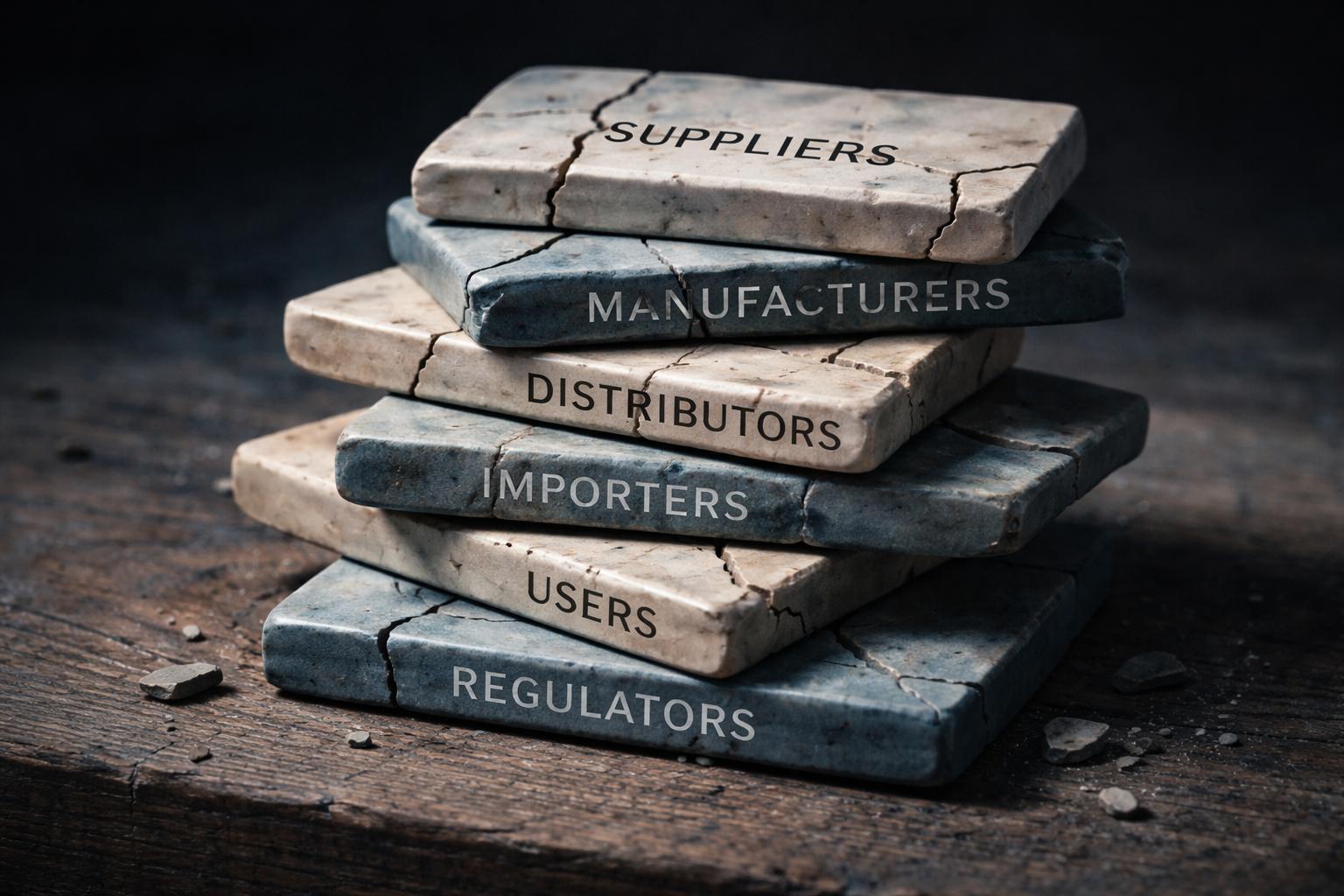
AI-generated code is often seen as less reliable than human-written code, leading security teams to add extra review processes and treat AI-generated pull requests with suspicion. This approach misses the real issue.
Why the Premise Is Backwards
The problem isn't the quality of AI code. It's that your testing strategy was already lacking, and AI's speed just highlights this. When developers write 200 lines of code a day, manual reviews and a few tests might suffice. But AI can generate 100,000 lines in hours, exposing the inadequacies in your validation process. The real issue is not the quality of the code but the speed at which it arrives, revealing your validation bottleneck.
The Evidence: Volume Reveals Process Debt
Artur Balabanskyy, who runs an AI-first development agency, uses AI tools to build MVPs quickly. The real innovation isn't speed; it's how this pace forces you to verify that code works as intended. Most security teams struggle to answer basic questions about their codebase, like which functions handle authentication or where user input isn't validated. If you can't answer these questions for code your team wrote, adding "AI wrote it" to your checklist won't help. AI shifts development work from typing to verification and architecture.
What to Do Instead
Stop treating AI-generated code as needing extra scrutiny. Build validation processes that work for any code.
Define testable requirements before coding. If you can't define "correct" in measurable terms, you can't validate it. This applies whether a human or AI writes the code. For authentication, specify session timeout values and token rotation intervals. For data handling, document fields requiring encryption at rest per PCI DSS v4.0.1 Requirement 3.5.1.
Automate what humans miss. Humans are prone to errors and fatigue. Static analysis tools aren't. Configure tools to catch OWASP Top 10 issues. Set up dynamic tests for authentication and authorization checks. If security gates can be bypassed by "I'm in a hurry," they weren't effective.
Instrument for observability, not just monitoring. Know what the code does in production, not just if it crashes. Add structured logging at decision points and track executed code paths. When something breaks, trace it back to the specific function, whether written by a person or AI.
Shift developers to QA and architecture roles. This isn't about eliminating coding skills but using them differently. Senior engineers should write test scenarios, define security boundaries, and review architecture decisions. The actual implementation can be generated, but architectural decisions can't be.
When Conventional Wisdom IS Right
AI-generated code does pose specific risks.
Dependency bloat is real. AI tools may add libraries without considering supply chain implications. If AI suggests new npm packages, vet those dependencies against your security requirements, especially under PCI DSS v4.0.1 Requirement 6.3.2.
Context loss happens. AI doesn't know your organization's threat model or compliance obligations. It may generate code that works in isolation but violates security boundaries. You still need humans to understand why certain patterns are forbidden.
Compliance documentation doesn't auto-generate. SOC 2 Type II auditors want evidence of validated security controls. "The AI wrote it and it passed our tests" isn't enough. Humans must document security requirements, test coverage, and validation results.
You can't blindly trust AI output, but you shouldn't have blindly trusted human output either. AI didn't create the need for rigorous testing and validation; it just made the cost of skipping it visible faster.
Focus on building robust validation processes that apply to all code, regardless of its origin.