What Happened
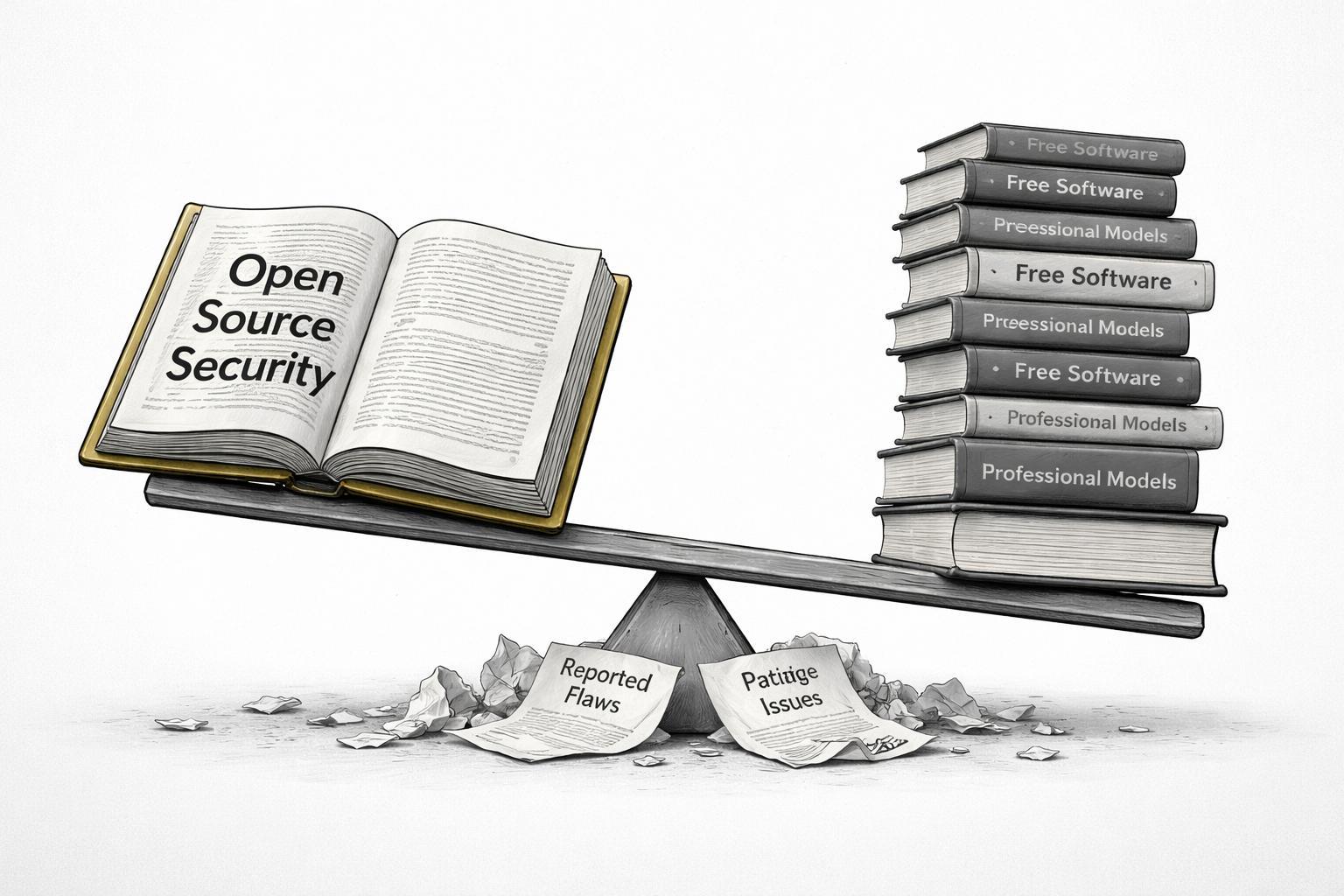
AI models have revolutionized vulnerability discovery, but the open-source ecosystem hasn't kept pace. Anthropic and its partners reported over 10,000 new high- and critical-severity zero-days in just one month. Of 530 high- and critical-severity findings reported to open-source maintainers, only 75 had been patched by May 2026.
This isn't a single breach. It's a structural failure with a clear gap: discovery is automated and fast, while remediation still relies on volunteers with other commitments. Meanwhile, the median time from disclosure to first exploitation is projected to fall to one minute by 2027.
Michael Cembalest's "Patchmageddon" report at J.P. Morgan Asset Management highlights this as a change enterprises must plan for. Understanding this failure pattern is crucial because most organizations are exposed through their dependency trees, whether they're aware of it or not.
Timeline
The following points are supported by the record:
- First month of AI-driven discovery: Anthropic and partners uncover over 10,000 new high- and critical-severity zero-days.
- Reporting phase: 530 high- and critical-severity findings are reported to open-source maintainers.
- By May 2026: 75 of those 530 have been patched, leaving 455 serious flaws without a fix.
- Projected by 2027: Median time from disclosure to first exploitation drops to one minute.
The gap between steps 2 and 3 is significant. Those 455 unpatched findings are known to the reporters and maintainers. Anyone using the affected components is carrying a documented risk with no vendor remediation available.
Which Controls Failed or Were Missing
Compliance teams should avoid labeling this a "maintainer problem." The maintainers aren't your control owners. These are the control failures that matter on your side:
No supported remediation path for components in production. Many organizations use open-source components without a contractual patch commitment. When a critical flaw arises, there's no obligation to fix it on your timeline.
Patch SLAs built for a human-speed threat. A monthly or weekly patch cycle assumes days or weeks between disclosure and exploitation. A one-minute median breaks that assumption.
Incomplete component inventory. You can't address 455 unpatched findings if you don't know which applications use the affected packages.
No compensating-control playbook. When no patch exists, options include isolation, virtual patching, or removal. Many teams lack a documented procedure for choosing among them.
Risk acceptance by default. Using unsupported components without a recorded decision means you've implicitly accepted risk, with no owner or review date.
What the Relevant Standards Require
These frameworks don't mention AI-driven exploits by name, but their existing language covers the failure.
PCI DSS v4.0.1
- Requirement 6.3.2 requires an inventory of software components to facilitate vulnerability and patch management. If you can't list your components, you can't comply.
- Requirement 6.3.3 mandates that critical or high-security patches be installed within one month of release. A one-month window is the minimum, not a defense, against minute-scale exploitation. If no patch exists, compensating measures are needed.
- Requirement 6.3.1 requires vulnerabilities to be identified and ranked using industry-recognized sources.
SOC 2 Type II
- Trust Service Criteria under Common Criteria CC7.1 expect you to detect and monitor new vulnerabilities. CC7.4 expects an incident response program that executes. Auditors will want evidence that vulnerabilities in third-party components were evaluated and tracked.
- CC9.2 covers vendor and business partner risk. Volunteer-maintained components are challenging here because there's no vendor relationship to assess.
- Annex A control 8.8 requires timely information about vulnerabilities, evaluation of exposure, and appropriate measures.
- Annex A control 5.21 requires defined processes for supply chain risk, including open-source dependencies.
NIST Cybersecurity Framework (CSF) v2.0
- The GOVERN function (supply chain risk management, GV.SC) and the IDENTIFY function (risk assessment, ID.RA) both apply. ID.RA covers vulnerability identification and prioritization in assets, including third-party software.
NIST 800-53 Rev 5
- RA-5 (vulnerability monitoring and scanning), SI-2 (flaw remediation), and SR-3 (supply chain controls and processes) map directly to the gap.
Lessons and Action Items for Your Team
1. Build the inventory first. Create a software bill of materials for every production application, including transitive dependencies. This satisfies PCI DSS v4.0.1 Requirement 6.3.2 and provides data for everything else on this list.
2. Rank your open-source exposure by support status. Record whether anyone is contractually obligated to patch each component. Components with no support commitment in sensitive systems should top your risk register.
3. Evaluate professional open-source support for critical components. Pay for a defined patch commitment on components that carry real business risk, rather than hoping a volunteer addresses your issue. Frame the cost for stakeholders against the alternative: 455 serious findings sat unpatched while exploitation windows shrink. Prioritize by criticality.
4. Rewrite patch SLAs around exploitability, not calendar cycles. Keep the one-month ceiling from Requirement 6.3.3 as a compliance baseline, but set tighter internal targets for internet-facing and high-severity items, and tie them to automated deployment to avoid human bottlenecks.
5. Document the no-patch-available procedure. Specify who decides between isolation, virtual patching, feature disablement, or component replacement, and how quickly. Auditors reviewing SOC 2 Type II CC7.4 evidence will look for a procedure that was actually used.
6. Make risk acceptance explicit. Record the decision, owner, compensating controls, and review date for any unpatched component. Implicit acceptance fails audits.
7. Brief leadership with the gap, not the hype. The numbers 530 and 75 illustrate the problem is about remediation capacity, which budget and vendor choice can change.
The takeaway for compliance teams is simple. Your standards already require timely vulnerability management and supply chain control. "Free" open source can no longer be assumed to satisfy those requirements on its own. Decide deliberately which components you'll pay to have supported, and document why.